So long and thanks for all the fish
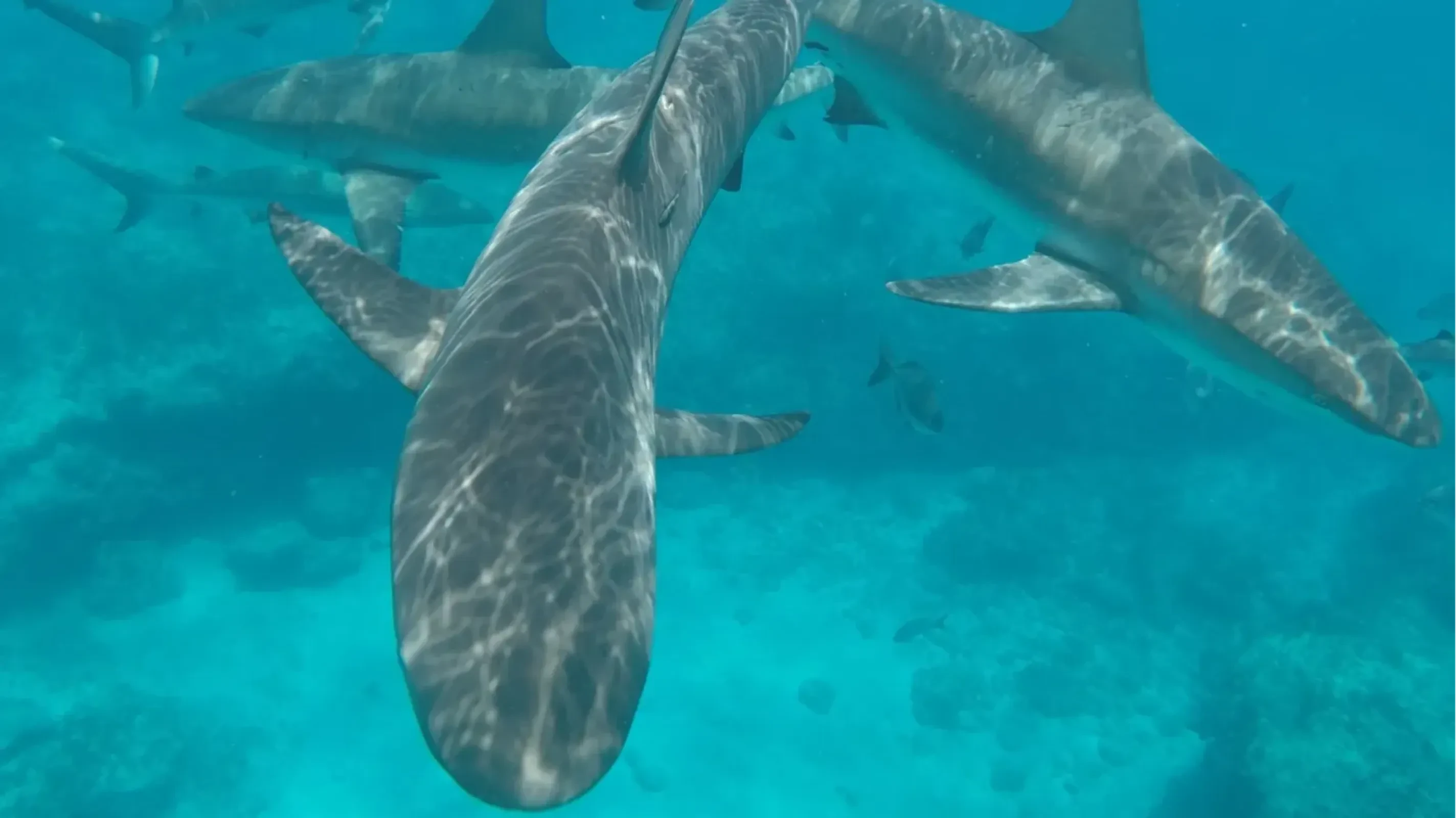
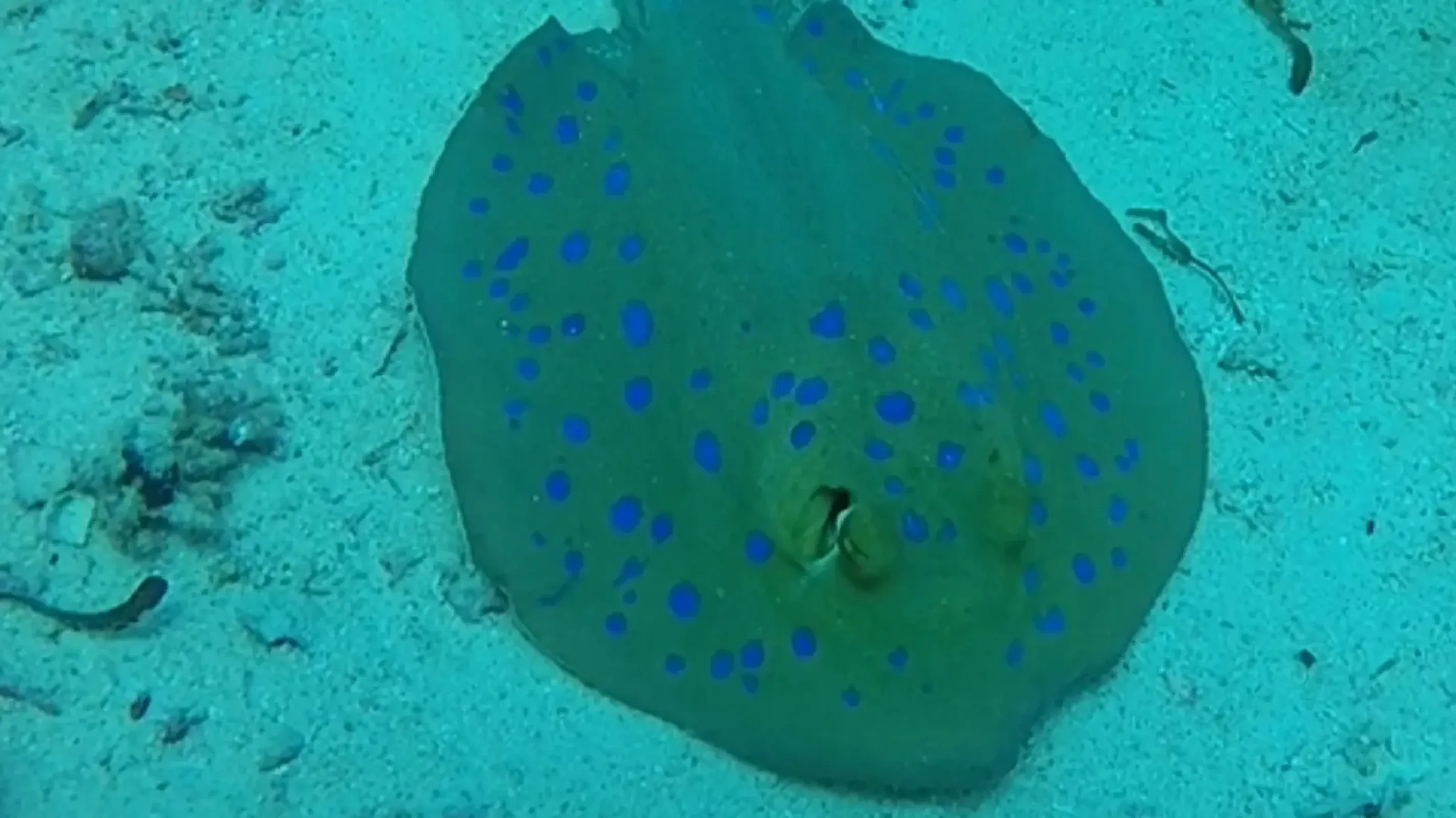
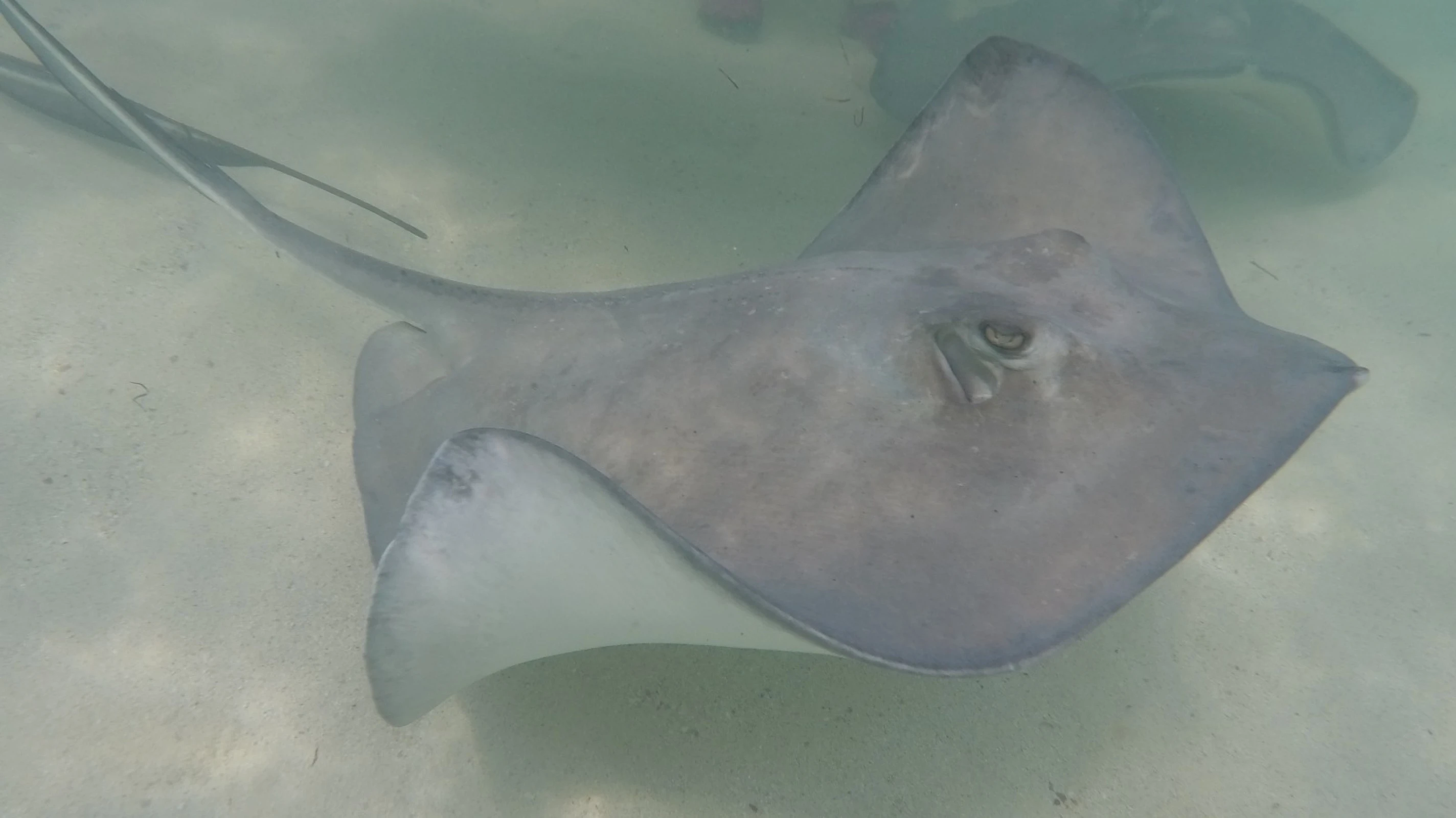
In my pre vanlife life I was a keen, albeit occasional scuba diver. I have had the privilege of diving and snorkelling in many beautiful places around the world. I completed my first padi scuba course while on holiday in Malta, and once I got over that initial panic of realising you can breathe underwater I absolutely loved it. From there I went on to dive with seals in the north sea (wear a couple of good wetsuits for that one!), with dolphins in the red sea, snorkelled with whale sharks in Mexico and reef sharks and sting rays in the Bahamas.
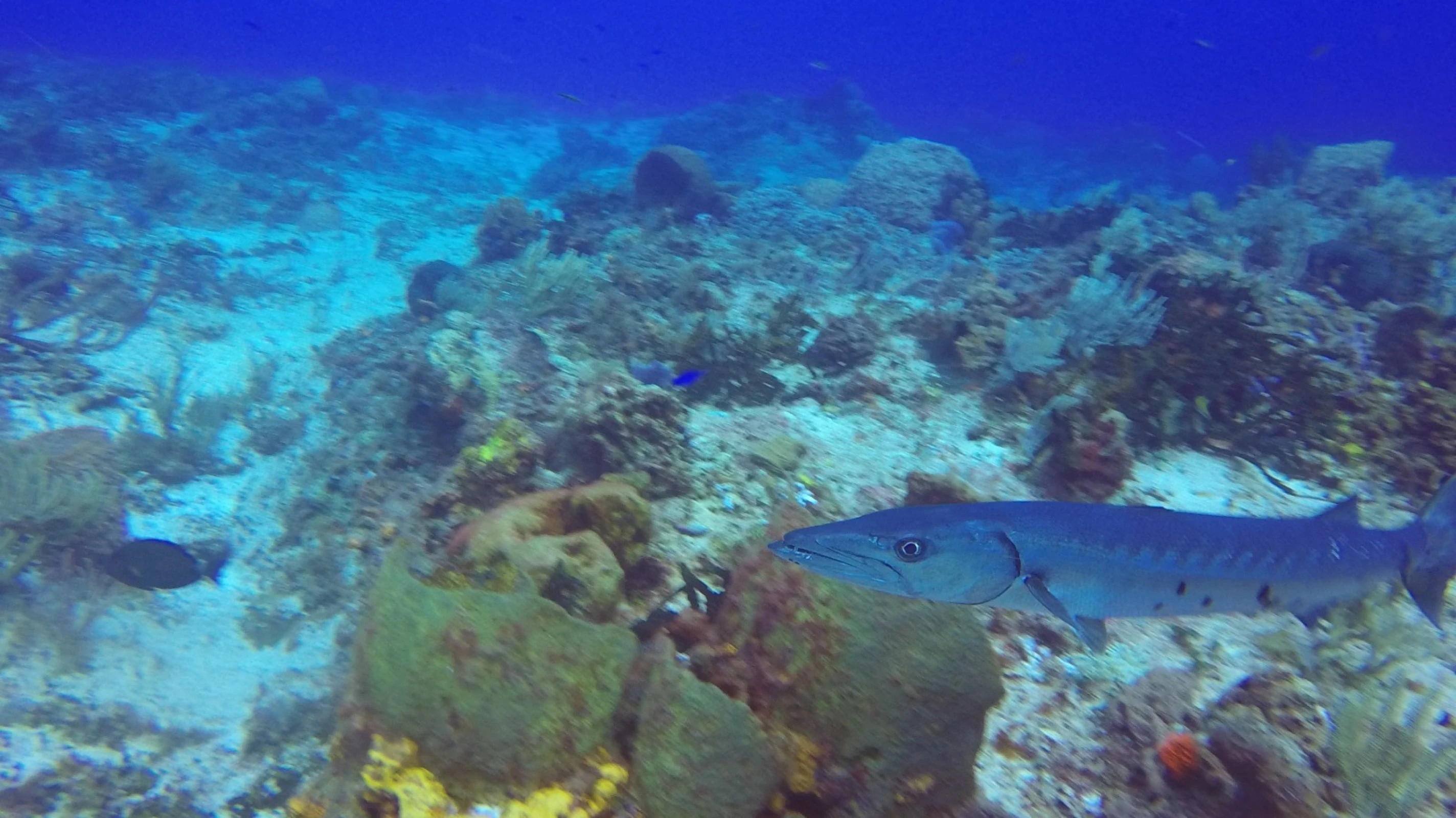
I've also had the opportunity to float over many varied coral reefs, the most impressive of which were in Thailand and the red sea. Huge ecosystems consisting of thousands of species all flourishing in their own little niches, getting on with life and just generally being absolutely awesome. I could happily float for hours watching clownfish hide themselves away in anemones, moray eels poking their heads out of holes in the reef, parrotfish chomping away, and the schools of barracuda that rely on the coral for food and protection.
The few videos and photos I've included on this post are a small fraction of the time I've spent floating underwater watching the explosion of life you get around reefs. It really is unlike anything else, to see literally thousands of individuals of different species all sharing the same few metres of space is an incredible privilege. You can be completely surrounded by colour, movement and life in a way that you simply can't be anywhere else. At times it gives the impression of a cloud of life hovering around the coral structures, flowing everywhere, an entire ecosystem living and breathing together in an intricate web of complex relationships.
Take just one species for example, the parrotfish. Lives nowhere other than coral reefs, eats the algae off the coral providing essential cleaning services in a beautifully symbiotic relationship and as an added bonus excretes that lovely white sand which forms beaches in the Maldives, Thailand, the Seychelles and elsewhere. Not only an amazing animal to watch (you can even hear their ‘beak’ scraping away on the coral) but a cleaner and a builder of beaches. Perfectly adapted over millions of years to fit exactly into its ecological niche in amongst the thousands of other species. I mean what is there not to love?
Coral reefs aren’t all about the smaller species either, nor are they solely of importance to permanent residents. Reef sharks unsurprisingly are heavily dependent on reefs as nursery areas and hunting grounds. Blue spotted rays and sting rays frequent reefs for protection and for food. Even whale sharks will sometimes visit when food concentrations are high during spawning events. Plus of course the vast schools of barracuda and other reef fish you can often find floating around the edges.
Some of those underwater experiences are core memories which remain with me still, so the news that we have passed the first climate tipping point, which happens to mean basically the near complete extinction of coral reefs, is a bit of a downer to put it mildly. Even if global warming stabilises at 1.5 degrees above pre industrial levels (which it won't because we are essentially already there and showing no sign of stopping) then coral reefs have a 99% probability of irreversible decline.
On a purely selfish level this is just unbearably shit. Thailand suffered a major bleaching event in 2024 and although the reefs have partially recovered since, the increased ocean temperatures mean these events happen more and more frequently until the coral simply can't cope and is lost forever. Then what happens to everything that relies on those reefs? The entire interconnected web of life - The clownfish dependent on anemones that also bleach and die. The moray eels losing their shelter as structures erode. The parrotfish with nothing left to clean. The web unravels, thousands of species, millions of individuals affected. Maybe no more reef sharks, fewer rays, probably fewer whale sharks, the wider ocean food web affected. All that loss. Because of us. Clearly, definitively and 100% because of us.
What is coral?
What we call coral reefs are built by coral animals (polyps) that have a symbiotic relationship with algae called zooxanthellae. The algae live inside the coral's tissues, photosynthesizing and providing the coral with up to 90% of its energy while also giving it colour. In return, the coral provides the algae with protection and nutrients, and builds calcium carbonate structures that form the reef habitat for thousands of species
The process
Additional ocean heat, even just 1C above the normal summer maximum causes stress to the algae which means instead of producing energy it produces damaging toxins. This in turn causes the coral to expel the algae to protect itself, turning it white (bleaching). If this happens for a short period of time (a few weeks) then over time the reef can recover, bleaching is not in itself a ‘death’ event. Full recovery can take 10-15 years provided no further bleaching occurs, unfortunately increased ocean temperatures mean bleaching events are occurring far more regularly and lasting far longer which is making recovery impossible.
The tipping point
The estimation is that between 1-1.5C temperature increase we hit a tipping point where the worlds corals are unable to sufficiently repair themselves in between bleaching events and end up on a downward spiral towards the inevitable. We are now firmly at the upper end of that range and guaranteed to hit 1.5C shortly, even if we stopped all emissions immediately. Meanwhile the real world observations of bleaching events are corroborating the tipping point theory. Corals are on the way out. By 2050 70-90% of the worlds coral reefs will be dead, by the end of the century they will be functionally extinct.
The result
In the place of all those beautiful biodiverse ecosystems with their complex interactions between thousands of species, the relationships that evolved over millions of years, the almost overwhelming colour and life, we’ll have bleached white, dead coral structures, probably some form of algae dominated system which will support maybe 10% of the life that was there before. With virtually none of its charm. A biological desert by comparison.
I don't want to make this a political post, I've got plenty of those. I just wanted to take a moment to acknowledge this loss to the world. Coral reefs co-evolved with their inhabiting species over millions of years. Individual coral colonies are some of the oldest organisms in the world and reef ecosystems support millions of individuals, not to mention the livelihoods of some quarter of a billion people. Losing them is a tragedy on par with losing the entire Amazon rainforest, except coral reefs are disappearing with a fraction of the public attention and it's happening now, for all practical purposes it has already happened. We cannot save them. And what's even more worrying is that we only anticipated this tipping point for the first time in 2018. Then within 7 years we'd already blown through it. We're losing an entire global ecosystem before we've even really acknowledged it was at risk! That's not only devastating, it should be terrifying.
I want this blog to reflect upon moments that meant something to me, many of those moments are in nature, away from modern life and feeling at peace. Floating above a reef, watching the inhabitants go about their lives completely unfazed by my presence was one of the most “immersed in nature” experiences of my life. To see that world disappearing, to know those incredible places and experiences will soon only exist as a memory, is deeply sad.
Returning global mean warming below 1.2°C with a minimal overshoot period and eventually returning to 1°C above preindustrial is essential for retaining functional warm-water coral reefs at meaningful scale, beyond a relatively few isolated refuge areas