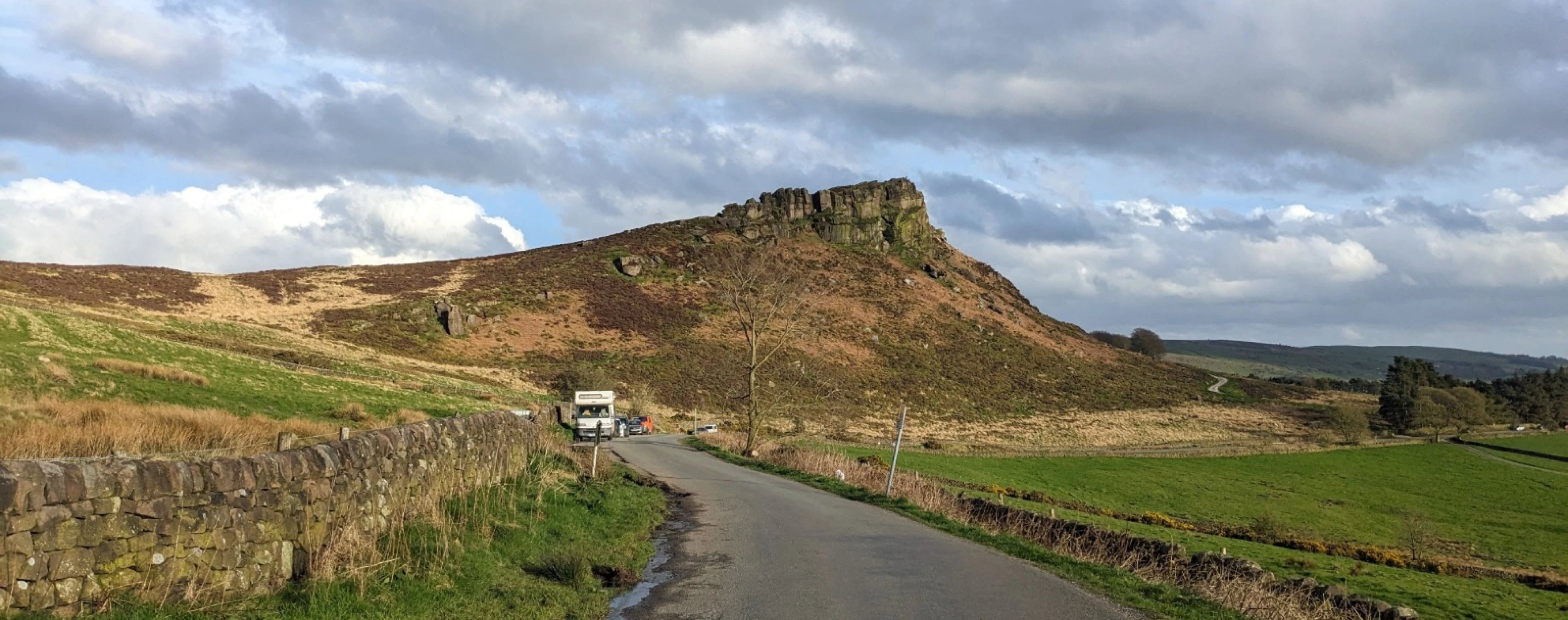
The moor the merrier?
75% of the worlds moorland is in the UK - or is it?
https://www.whatthesciencesays.org/is-75-of-the-worlds-heather-moorland-in-the-uk/
https://landethicsblog.wordpress.com/2019/09/17/no-moor-myths/
This seems to be stated as fact in many places but the science is far from definitive.
It’s also assumed that this is a good thing as far as UK conservation goes. We have done well to preserve this much moorland when every other country has allowed theirs to die out, it would suggest. Well managed moors are claimed to be an excellent habitat for a range of species and there seems to be an acceptance that they are a positive natural ecosystem. There are however a few problems with this idea.
Firstly moorlands in the UK are not a naturally occurring environment. They were created by human activity and are intentionally managed to maintain them. At best they can be called semi-natural as there was very little moorland in the UK before humans modified the landscape so extensively over the last few thousand years. So why does this non natural landscape feature so dominantly in many of our national parks?
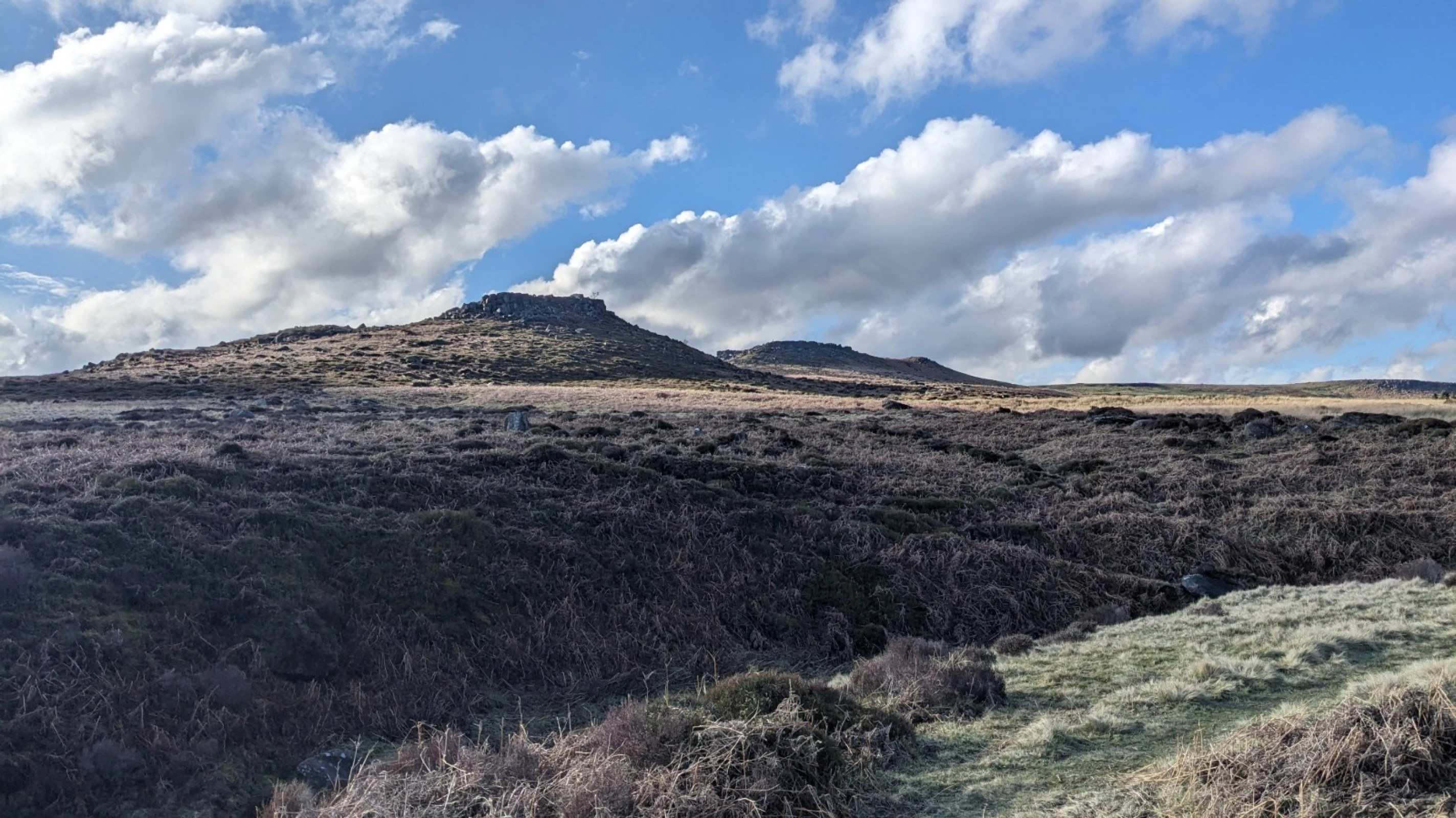
Well for one thing our national parks are not like those in most other countries. In fact they aren’t officially national parks at all according to the accepted IUCN definitions.
https://en.wikipedia.org/wiki/IUCN_protected_area_categories
A national park is a category 2 protected area with “its main objective of protecting functioning ecosystems”. All of the UK ‘national parks’ are category 5 or ‘protected landscape or seascape’ which is a much more flexible category allowing far more development in terms of agriculture, tourism etc and is as much for the preservation of culture and heritage as it is about nature preservation.
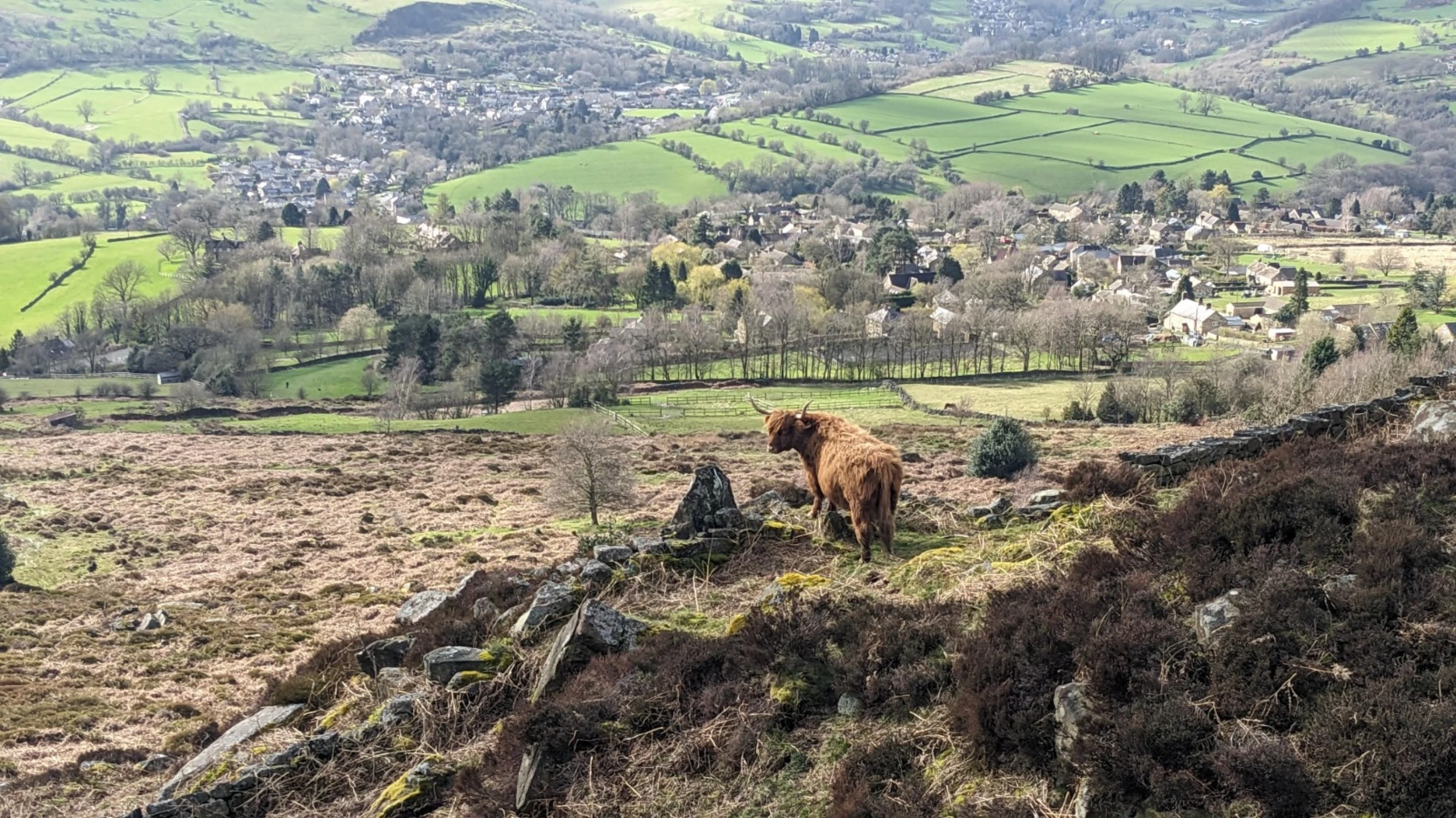
So in reality, what we are preserving in many of our national parks is not a wild, natural environment rich in biodiversity but the result of centuries of human impact, of logging, farming, burning, cutting, overgrazing, and of intentional management by shooting estates to keep the land suitable for raising and shooting game birds. Why then do people love to romanticise these vast, empty windswept areas? https://www.countrylife.co.uk/nature/unleashed-mad-and-dangerous-how-britains-wild-romantic-moorland-is-our-signature-habitat-inspiring-everything-from-beowulf-to-the-hound-of-the-baskervilles-215972
What are the alternatives?
What would happen if all management of, for example, the Peak District, was stopped. No more ‘predator control’, no more burning, grazing or cutting. Would we end up with a more diverse range of habitats, with still some areas of moorland alongside new growth woodlands, wetlands, and far richer riparian habitats than we have now? Or would we end up with a scrubby wasteland and loss of what is claimed to be an area of ‘global ecological and conservation importance’.
Of course with so many species having been lost over the past few millennia we would never get back to what was there before, so rather than looking back we should look forward and allow nature to find its own path. Perhaps with a small amount of assistance in the form of species reintroductions, tree planting, and keeping certain areas clear for people to use.
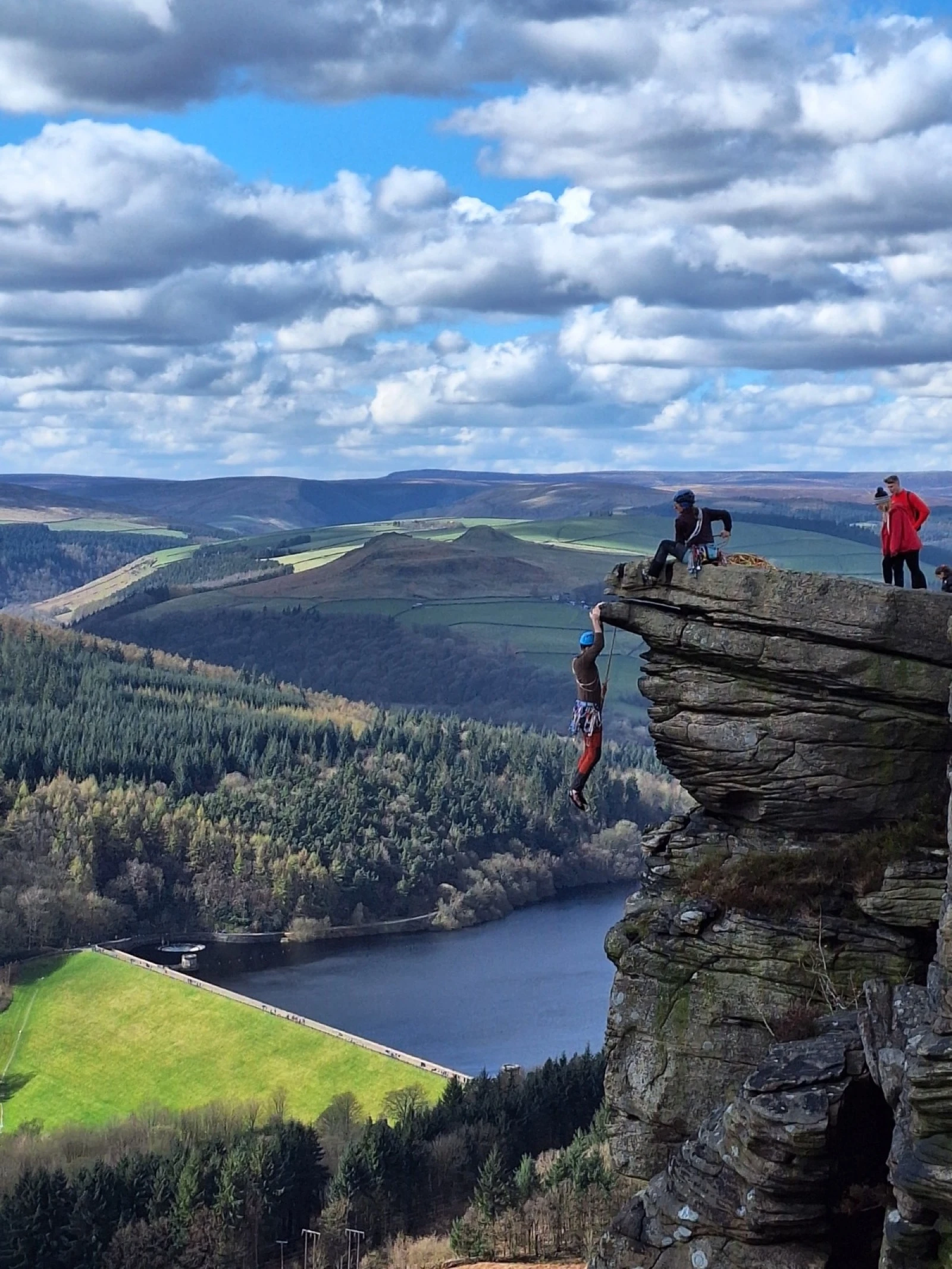
However our need for control makes this an unlikely option. Everything has to be managed, assessed, predicted and measured. All possible outcomes evaluated and only the ‘best’ options chosen - where ‘best’ may mean most profitable or most politically agreeable, not necessarily best for the environment. The only way we could allow nature to ‘take back control’ would be if enough people in this country were aware of why it is important to do so and made their voices heard. (Edit: Until then those in power will continue to be the ones to define success)
Perhaps as rewilding goes more mainstream and awareness grows this may start to happen, as small rewilding projects capture the imagination perhaps this will enable larger visions to be put forward, maybe one day rewilding our national parks and perhaps even forming rewilding ‘corridors to connect up our wild areas will be genuine discussions on the political agenda. This has to happen soon though, we have taken nearly every square inch of land in the UK for ourselves leaving nature hanging on by its fingernails.